Introduction
In our rapidly transforming world, the significance of first aid can not be downplayed. Whether in a business atmosphere, school, or in your home, understanding how to respond properly throughout a clinical emergency situation can conserve lives. Nonetheless, with great responsibility comes the demand for recognizing the guidelines regulating first aid practices. This short article intends to offer an extensive introduction of first aid guidelines that every carrier should know. We will certainly delve into various facets-- from essential accreditations to the subtleties of CPR courses-- guaranteeing you leave outfitted with knowledge and confidence.
Table of Contents
Understanding First Aid Regulations- 1.1 Importance of First Aid Training 1.2 Legal Effects of First Aid
- 2.1 Types of First Aid Courses 2.2 Choosing the Right Training Course for You
- 3.1 Comprehending mouth-to-mouth resuscitation Techniques 3.2 Importance of Mouth-to-mouth Resuscitation Certification
- 4.1 Advantages of Consolidated Training 4.2 Exactly how to Find an Integrated Course
- 5.1 Who Needs an Emergency Treatment Certificate? 5.2 Validity and Revival of Certifications
- 6.1 National Safety Council (NSC) 6.2 American Red Cross Standards
- 7.1 OSHA Standards for Office Safety 7.2 Employer Responsibilities in Emergency Treatment Training
- 8.1 Fundamental Action in Emergency Response 8.2 Duty of a Very First Responder
- 9.1 Common Misconceptions about Emergency treatment 9.2 Conquering Barriers to Training
- 10.1 Virtual Understanding Opportunities 10.2 Developments in Emergency Treatment Equipment
Understanding First Aid Regulations
Importance of Emergency treatment Training
First help training is not just an important intensive first aid training courses skill; it's a vital part of our societal fabric that empowers individuals to act decisively throughout emergencies.
- Life-Saving Skills: Understanding fundamental first aid strategies can considerably boost survival rates in emergencies. Confidence Building: Individuals trained in emergency treatment often really feel much more positive and ready when confronted with clinical situations.
Legal Ramifications of First Aid
Understanding the legal structure surrounding emergency treatment is essential for anybody providing assistance during emergencies.
- Good Samaritan Laws: A lot of states have regulations securing those who render help willingly from lawful responsibility, as long as their activities are reasonable and meant to help. Negligence Considerations: If an experienced company acts recklessly or falls short to perform essential life-saving procedures, they can deal with legal consequences.
First Help Flows Overview
Types of Emergency treatment Courses
There are numerous kinds of first aid programs offered, each customized to meet different demands:
- Basic Life Support (BLS): Suitable for medical care experts needing innovative skills. Standard First Aid: Covers vital abilities appropriate for laymans and non-medical personnel. Advanced Heart Life Assistance (ACLS): Targets doctor working with critically sick patients.
Choosing the Right Training course for You
When picking a program, consider your objectives and scenarios:
- Are you seeking certification for workplace compliance? Do you need skills details to childcare or senior assistance?
Researching neighborhood providers can aid streamline your selection based upon area and solutions offered.
CPR and Its Significance
Understanding mouth-to-mouth resuscitation Techniques
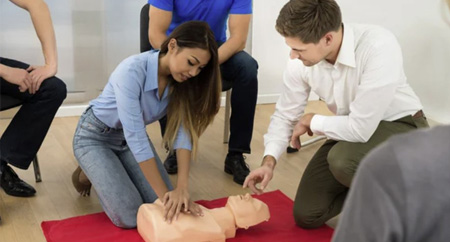
Cardiopulmonary resuscitation (MOUTH-TO-MOUTH RESUSCITATION) is among the most crucial abilities learned in any first aid course:
- Compression Technique: Reliable chest compressions can keep blood streaming to important organs till expert assistance arrives. Rescue Breaths: While less highlighted now as a result of brand-new standards, rescue breaths stay an important component of traditional mouth-to-mouth resuscitation training.
Importance of mouth-to-mouth resuscitation Certification
Obtaining accreditation with acknowledged organizations ensures expertise in carrying out CPR:
- Many companies call for current qualification as component of their safety protocols. It improves total confidence when encountering prospective heart emergencies.
First Help and mouth-to-mouth resuscitation Training Course Integration
Benefits of Combined Training
Taking an integrated emergency Additional info treatment and CPR program supplies many benefits:
- It improves training by covering both areas simultaneously. Participants get extensive knowledge relevant throughout numerous scenarios.
How to Locate an Integrated Course
Searching for integrated training programs needs some calculated preparation:
- Look for neighborhood recreation center or medical facilities supplying such courses. Online systems might likewise supply virtual options customized toward active professionals.
First Aid Certification Requirements
Who Needs a First Aid Certificate?
Various industries demand accreditation from employee:
- Educational institutions frequently call for instructors and coaches to hold valid certificates. Healthcare setups demand recurring training among staff members.
Validity and Renewal of Certifications
Most certifications have expiry dates:
- Regularly restoring qualifications ensures that service providers stay updated with existing practices.
Regulatory Bodies Governing First Aid
National Safety and security Council (NSC)
The NSC plays an essential role in establishing criteria for safety and security training throughout the USA:
- They offer sources, materials, and assistance for both instructors and students alike.
American Red Cross Standards
The American Red Cross offers comprehensive training programs aligned with national criteria:
- Their educational program consists of hands-on technique, ensuring participants create useful abilities together with theoretical knowledge.
Workplace Laws on First Aid
OSHA Guidelines for Work environment Safety
The Occupational Safety and security and Health Management (OSHA) describes assumptions relating to office precaution:
|Requirement|Description|| -------------|-------------|| Accessibility|Employers have to make certain accessibility to sufficient first-aid resources at all times|| Educated Personnel|Designated workers need to be trained in fundamental first aid|
Employer Responsibilities in First Aid Training
Employers bear significant responsibilities concerning worker safety and security:
- Providing suitable training sessions on a regular basis helps minimize office injuries.
Emergency Reaction Protocols
Basic Steps in Emergency Response
An effective emergency feedback protocol can considerably enhance end results during situations:
Assess the situation safely. Call emergency services if needed. Provide essential care till professional help arrives.
Role of a Very first Responder
First responders play a vital function within emergency situation scenarios by delivering prompt help while awaiting sophisticated clinical treatment:
- Their prompt activity frequently makes a considerable distinction in between life and death scenarios.
Challenges in Implementing First Aid Training
Common Mistaken beliefs about First Aid
Misunderstandings bordering first aid can impede reliable feedbacks throughout emergency situations:
Myth vs Truth Table
|Myth|Fact|| ----------------------------------|------------------------------------------|| Just medical care professionals ought to provide first aid|Any person can discover fundamental strategies|| Utilizing an AED is unsafe|AEDs are created for public use|
Overcoming Obstacles to Training
Several obstacles exist that might hamper individuals from pursuing emergency treatment programs;
Key Barriers
- Time Constraints: Active schedules make it hard for lots of people to discover time for training sessions. Financial Limitations: Cost may hinder interested prospects from taking part; nonetheless, many organizations supply subsidized training courses or gives particularly focused on providing financial relief.
Future Fads in Emergency treatment Training
Virtual Learning Opportunities
With modern technology evolving quickly, online systems have gained appeal among learners seeking flexible choices;
- Real-time simulations enable individuals to involve proactively without needing physical visibility at conventional places; This approach boosts access while accommodating varied understanding styles!
Innovations in First-Aid Equipment
Emerging modern technologies are changing how we come close to first-aid preparation;
Examples Include
- Smart Plasters-- equipped sensors monitor recovery progress! Mobile Applications-- using guidance based on customer input regarding symptoms!
FAQs Regarding Understanding First-Aid Regulations
Q1: What is included in a normal first-aid course?

Q2: Just how usually do I require to restore my CPR certification?
Many organizations suggest restoring your qualification every two years; remaining well-informed makes certain effective actions during emergencies!
Q3: Can I take an online first-aid course?
Definitely! Lots of reliable organizations use on the internet choices permitting students adaptability while preserving premium criteria through interactive content!
Q4: Is there any type of age requirement for taking these courses?

Q5: Just how do I select between different carriers offering comparable courses?
Investigate reviews/testimonials from previous participants along with examining certification standing prior to choosing; this will certainly guarantee quality education and learning provided Additional hints fulfills sector standards!
Conclusion
In recap-- making sense outta laws bordering important locations like 'first-aid' & & 'MOUTH-TO-MOUTH RESUSCITATION' is basic not just properly but directly too! As seen throughout this write-up-- countless aspects contribute in the direction of guaranteeing proper responsiveness during clinical emergency situations including understanding needed qualifications-- along with identifying challenges faced whilst implementing effective programs within community/workplace setups alike! By investing time/resources into obtaining efficiency through pertinent programs-- you'll be better located than ever-- ought to fate offer its changability knocking at your door! Always keep in mind-- the capability you possess today can potentially save another person's tomorrow!